This Forklift Driver Has Serious Anger: Design Review
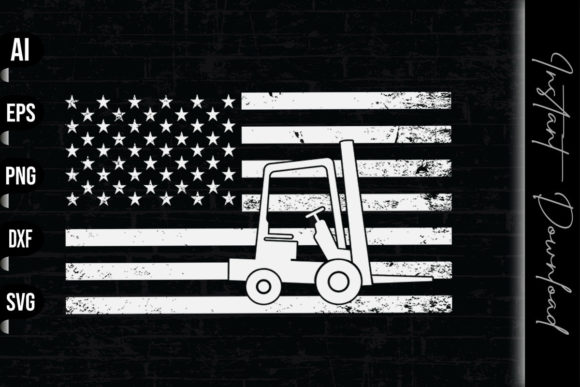
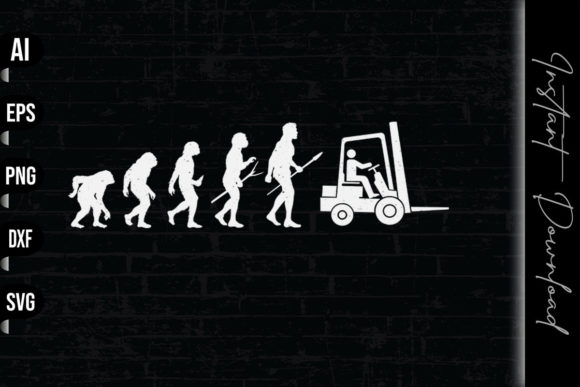
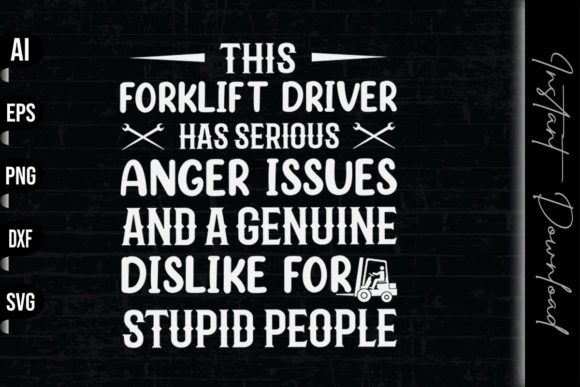
When evaluating This Forklift Driver Has Serious Anger for potential production use, my first assessment focuses on the balance between humor and stitchability. As a designer who regularly reviews graphics for translation into thread, I look at this asset not just as a funny slogan or illustration, but as a structural blueprint for a machine embroidery design. The mood here is distinct; it captures a specific blue-collar frustration that resonates deeply with warehouse workers, construction crews, and logistics teams. However, translating that raw emotion from a digital graphic into a tangible handmade product requires careful technical consideration. The visual personality is bold and unapologetic, which suggests it belongs on rugged, utilitarian items rather than delicate fabrics. When I look at this layout, I immediately envision heavy cotton canvas or fleece, where the weight of the fabric can support the density required to make the anger in the expression read clearly from a distance.
Real-World Application: The Warehouse Sweatshirt Test
To truly judge the viability of This Forklift Driver Has Serious Anger, I mentally placed it in a real-life scenario involving a custom order for a local logistics company’s holiday party. The client wanted a sweatshirt embroidery project that felt relatable to their forklift operators but professional enough to wear outside the warehouse. This is where the design’s dual nature as both a graphic and a potential embroidery file becomes critical. In this case study, I considered placing the design on the back of a heavyweight charcoal hoodie. The dark background necessitates high contrast in thread colors; if the original SVG uses subtle shading or low-contrast outlines, those details will vanish in thread unless adjusted.
For this specific custom apparel project, the text needs to be legible against the texture of fleece. If the lettering in This Forklift Driver Has Serious Anger relies on thin lines meant for print, they must be converted to a proper satin stitch column width to prevent breaking needles or sinking into the fabric pile. I also considered the placement. On a sweatshirt, center chest or full back works best. A left-chest pocket size might force the forklift illustration to become too small, losing the facial expression that sells the "serious anger" concept. This practical visualization confirms that while the source art is versatile, its success as an embroidered patch or direct garment decoration depends entirely on respecting minimum detail thresholds.
Technical Performance Across Different Substrates
Beyond apparel, this design category often finds its way onto functional gear. As a tote bag design, This Forklift Driver Has Serious Anger has significant potential because canvas provides a stable, non-stretch foundation ideal for complex fills and detailed typography. Canvas does not distort like jersey knit, allowing the stitch density to remain consistent without puckering. However, if you intend to use this on stretchy performance wear or lightweight t-shirts, you must employ aggressive stabilization strategies. A cut-away stabilizer is non-negotiable here to prevent the design from warping after washing.
I would exercise extreme caution when attempting this design on curved surfaces like caps. Unless the artwork is specifically digitized with cap-compensation (where stitches are distorted intentionally to counteract the curve), the horizontal lines of the forklift may appear bowed on the finished hat. Similarly, for baby embroidery or nursery decor, this specific theme is likely inappropriate due to the aggressive sentiment, regardless of technical feasibility. Always match the design’s emotional tone to the end user. For commercial embroidery targeting adult demographics, however, the boldness is an asset. It reads well in printable mockups and translates effectively to physical merchandise because the silhouette is strong enough to be recognized even if some internal stitching details are lost to fabric texture.
Critical Constraints and Fabric Limitations
Every digital embroidery file has a breaking point, and for This Forklift Driver Has Serious Anger, that limit is usually found in small-scale reproduction. If your hoop size restricts you to a 4x4 area, verify that the smallest text elements remain above 0.25 inches in height. Anything smaller risks becoming illegible thread blobs. Textured fabrics like terry cloth or pique polo mesh present another challenge; the nap of the fabric can swallow fine details. In these cases, using a water-soluble topping is essential to keep the stitches sitting on top of the fabric surface.
Dark fabrics require special attention regarding underlay. If the design includes light-colored fill areas intended to represent skin tones or metal highlights, ensure there is adequate underlay stitching to block out the fabric color beneath. Without this, the dark shirt will bleed through the threads, making the forklift driver look muddy or bruised rather than angry. Furthermore, consider the washability factor. Products like kitchen towels or aprons undergo frequent laundering. If the design uses excessive jump stitches or lacks proper lock stitches at color changes, it will unravel quickly. As an Etsy seller or small shop product creator, durability equals customer trust. A design that falls apart after three washes damages your brand reputation far more than any marketing copy can repair.
Designer Notes for Professional Execution
Before committing This Forklift Driver Has Serious Anger to a final finished product, adhere to these professional protocols. First, always run a sew-out test on scrap fabric that matches your production material. Do not rely solely on screen simulation; software cannot predict how thread tension interacts with specific grain lines. Check your licensing terms explicitly. Just because you purchased the SVG as a Print Template or graphic asset does not automatically grant rights to sell digitized versions or mass-produced embroidered goods. Clarify whether this is for personal use, limited commercial design assets, or unlimited production.
- Contrast Verification: View the design in grayscale before stitching to ensure value separation exists independent of color hue.
- Density Audit: Inspect the file for overly dense regions that could cause needle breaks or fabric perforation, especially in layered text areas.
- Stabilizer Matching: Pair tear-away stabilizers only with stable woven fabrics; use cut-away for knits and stretch materials to maintain registration.
- Mockup Testing: Create black-and-white printable mockups to test readability at various sizes before purchasing thread or hooping fabric.
- Detail Inspection: Zoom in to 100% to check for overlapping objects or unnecessary trims that increase production time and thread usage.
Ultimately, This Forklift Driver Has Serious Anger serves as a excellent case study in adapting niche humor for tangible goods. Whether you are creating a personalized gift for a grumpy coworker or stocking your boutique with industry-specific merch, success lies in respecting the medium. Thread behaves differently than ink. By treating this graphic with the technical rigor of a true embroidery project, you transform a simple digital download into a high-value, durable product that customers will actually want to wear and use. Always prioritize stitch integrity over visual complexity, and your handmade creations will reflect the same professionalism as the equipment operators they celebrate.