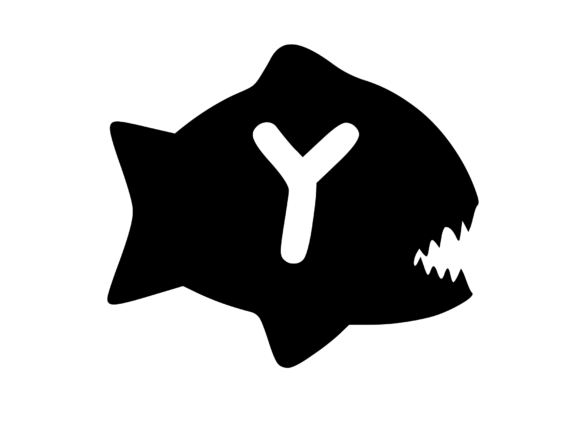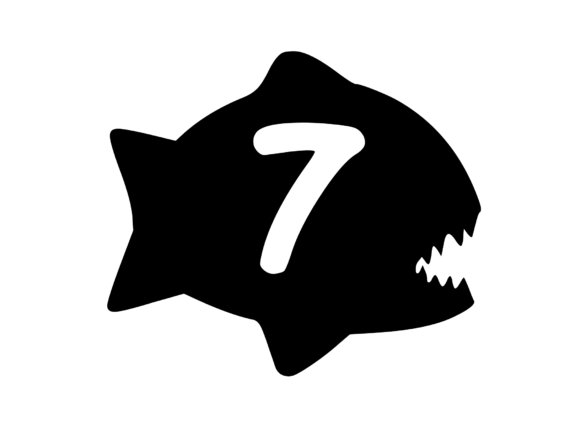
Piranha Fish with Playful Mono 7: A Designer’s Review
When evaluating a new machine embroidery design for professional or commercial use, the first question is never just "is it cute?" The real question is whether the artwork translates effectively into thread without compromising structural integrity or visual clarity. As a designer who regularly tests graphics for custom apparel and boutique merchandise, I approached Piranha Fish with Playful Mono 7 with a critical eye toward stitchability and marketability. This isn't merely a digital graphic; it is a potential revenue stream for Etsy sellers and craft business owners, provided it is executed with technical precision.
First Impressions: Balancing Edge and Whimsy
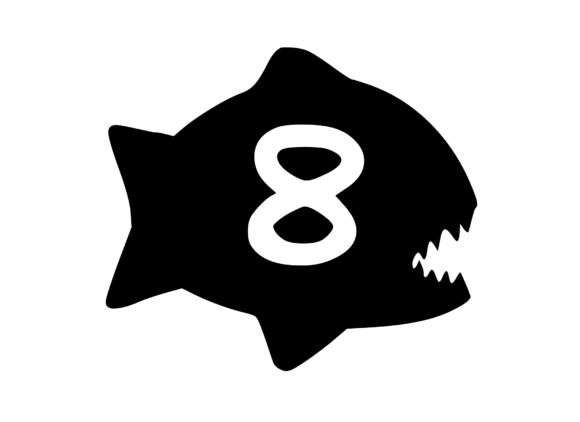
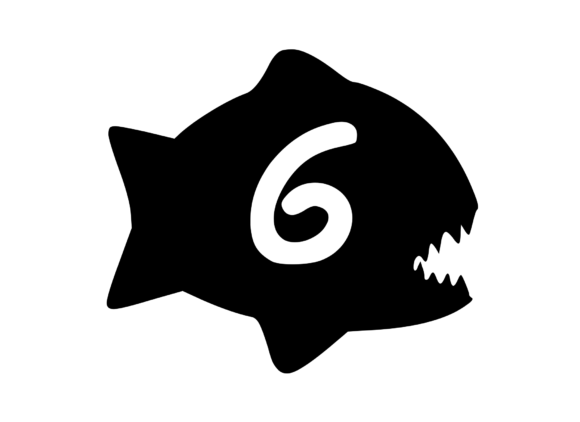
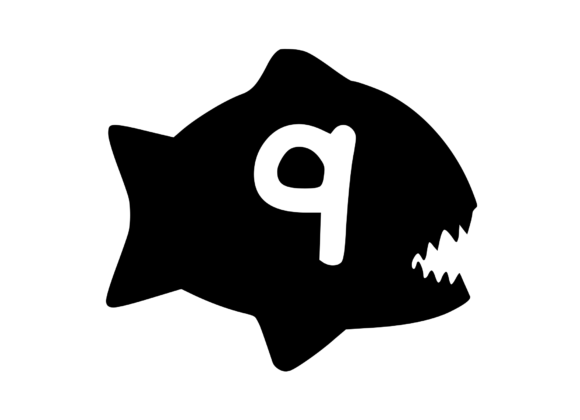
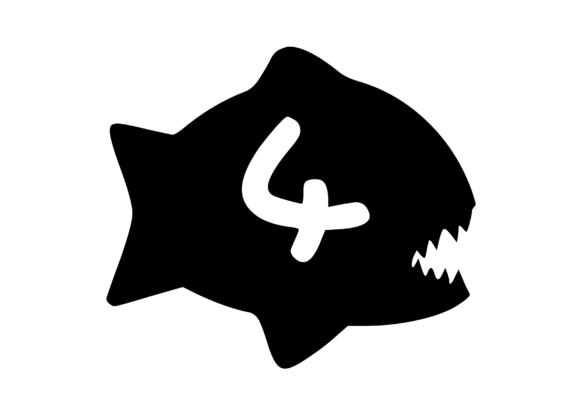
The immediate appeal of Piranha Fish with Playful Mono 7 lies in its juxtaposition. Piranhas are inherently aggressive subjects, but the "Playful Mono" styling softens the aesthetic, making it approachable for a wider demographic. From a design perspective, this balance is crucial. A hyper-realistic piranha might alienate buyers looking for lighthearted decor, while an overly cartoonish version loses the unique character of the species. This design sits in a sweet spot that feels modern and versatile.
Visually, the layout suggests a strong silhouette. For embroidery projects, distinct silhouettes are superior to intricate shading because they read better from a distance. Whether intended as an applique design or a full-stitch motif, the shape appears optimized for clean registration. The playful typography element implied by "Mono 7" likely offers excellent opportunities for personalization, which is a key selling point for personalized gifts and custom orders. When reviewing this asset, I immediately envisioned it not just as a standalone image, but as a flexible component for broader product lines ranging from nursery decor to edgy teen fashion.
Real-World Application: The Custom Tote Bag Test
To truly judge the viability of Piranha Fish with Playful Mono 7, I mentally placed it in a specific production scenario: creating a line of canvas tote bags for a summer craft fair. Totes are high-volume items for small shop products, but they present unique challenges due to fabric texture and weight.
In this scenario, the design needs to anchor well on unstructured canvas. If the stitch density is too high, the bag will pucker and feel stiff. If it is too low, the design will sink into the weave and look cheap. Based on the visual structure of this graphic, it appears suitable for a combination of fill stitch and satin stitch borders. For a tote bag, I would recommend testing this as a centered chest-sized placement or a bold corner accent. The playful nature of the fish makes it perfect for beach bags, library totes, or teacher appreciation gifts. However, because canvas is textured, fine details in the fish’s scales or teeth must be simplified during the digitizing verification process to prevent needle breaks or poor coverage. This practical foresight separates a hobbyist attempt from a professional finished product.
Technical Considerations for Apparel and Accessories
Beyond bags, Piranha Fish with Playful Mono 7 shows promise for sweatshirt embroidery and custom apparel. Sweatshirts and fleece materials are forgiving, but they require proper stabilization to prevent tunneling. When using this design on knit fabrics, the interaction between the thread colors and the garment base is paramount. High contrast works best here; a dark navy sweatshirt with bright coral or teal thread will make the playful elements pop, whereas low-contrast combinations may cause the details to get lost in the pile of the fabric.
For smaller applications like caps or baby bibs, caution is necessary. While the design is versatile, scaling down complex graphics can lead to overcrowded stitch areas. If you plan to use this for baby embroidery, ensure that any outline stitches are smooth and non-abrasive against sensitive skin. For caps, the curved surface demands a design that doesn't distort when wrapped around the brim. Always verify the hoop size requirements before purchasing or stitching. Never assume a design will resize perfectly; significant reduction often requires re-digitizing to maintain stitch integrity. Checking these parameters ensures your commercial embroidery output remains consistent and professional.
Navigating Fabric Limitations and Stabilization
Every embroidery file has its ideal substrate, and understanding where Piranha Fish with Playful Mono 7 might struggle is as important as knowing where it shines. Thin, stretchy fabrics like performance polyester or lightweight jersey can be problematic if the design contains dense fill areas. In these cases, using a cut-away stabilizer is non-negotiable to prevent warping. Conversely, on highly textured fabrics like terry cloth or minky for holiday embroidery or blankets, you may need to add a water-soluble topping to keep the stitches from sinking.
I also advise careful consideration when working with dark fabrics. If the design relies heavily on light-colored threads over a dark background, you must account for show-through. Using a white underlay or increasing the stitch density slightly can prevent the dark fabric from bleeding through the top threads. These technical adjustments directly impact the perceived value of your handmade product. Customers trust makers who understand their materials, and avoiding common pitfalls like puckering or thread breakage builds that trust organically.
Commercial Viability and Brand Consistency
For Etsy sellers and creative entrepreneurs, Piranha Fish with Playful Mono 7 serves as more than just a single design; it is a branding asset. The "Playful Mono" aspect suggests a cohesive style that could be mixed and matched with other aquatic or whimsical themes to create a collection. Collections sell better than singles because they encourage repeat purchases and higher cart values. When listing items featuring this design, use printable mockups to showcase versatility. Show the design on a toddler’s t-shirt, a kitchen towel, and a patch simultaneously to demonstrate its range.
However, professionalism extends beyond aesthetics. Before selling any item featuring this graphic, you must confirm the licensing terms. Verify whether the digital embroidery file allows for commercial reproduction of physical goods versus digital redistribution. Protecting your business means respecting intellectual property. Additionally, always test the design on scrap fabric identical to your final product. Check thread tension, color accuracy, and overall alignment. This step prevents costly waste and ensures that every embroidered patch or garment leaving your studio meets a high standard of quality. Your reputation as a maker depends on the reliability of your design assets.
Final Verdict for Makers and Designers
Piranha Fish with Playful Mono 7 stands out as a strong contender for makers seeking fresh, character-driven content. It avoids the generic tropes often found in the Crafts category while remaining accessible enough for broad appeal. Its success in your shop will depend entirely on technical execution and appropriate application. By respecting the relationship between the embroidery project, the fabric choice, and the stabilization method, you can transform this digital graphic into a tangible, profitable asset.
Whether you are producing holiday gifts, stocking your online store with unique Graphics-based merchandise, or fulfilling custom client requests, this design offers significant potential. Just remember: the file is only the starting point. Your expertise in hooping, stabilizing, and finishing is what ultimately delivers value to the customer. Approach this design with confidence, test thoroughly, and let the playful yet precise nature of the artwork elevate your next creation.